
Cart empty
Chocolate Glazes
A chocolate glaze is the final touch that turns an ordinary dessert into something exceptional.
It adds shine to cakes, elegance to pastries, and gives every bite a rich, velvety chocolate flavor.
Whether you’re looking for a simple glaze for a homemade cake, a silky ganache for a celebration cake,
or a perfectly smooth mirror glaze, the right recipe makes all the difference.

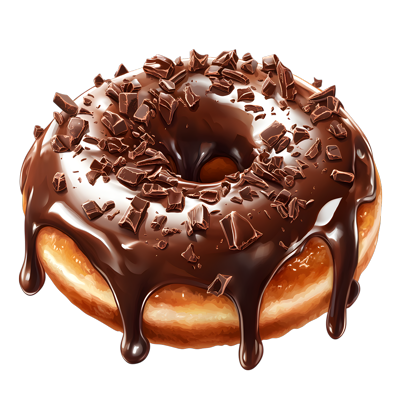
Perfect Shiny Chocolate Glaze (That Doesn’t Crack)
🧾 Ingredients
- 7 oz (200 g) high-quality dark chocolate (50–60% cocoa)
- ½ cup heavy cream (120 ml) (US) / ½ cup double cream (UK)
- 2 tbsp butter (30 g) – real butter, not margarine
👩🍳Method
- Heat the cream just below the boiling point (do not boil).
- Remove from heat and add chopped chocolate. Let's sit for 1 minute.
- Gently stir with a spatula or whisk until smooth (do not whip).
- Add butter and stir slowly until fully melted.
- Let cool to 86–90°F (30–32°C), then pour over cake.
Why This Glaze Is Perfect
✔ high shine from cream and butter fat
✔ doesn’t crack after chilling
✔ slices beautifully
✔ smooth, rich chocolate flavor (not bitter or greasy)
My Tips
- The better the chocolate, the better the shine.
- Never whip the glaze — air bubbles will dull the surface.
- The cake should be at room temperature, not fridge-cold.
For a drip effect, use a slightly warmer glaze (93°F / 34°C).
Variations 🍰🍫
Milk chocolate glaze: use milk chocolate + 20 ml less cream
Extra shine: add 1 teaspoon of glucose syrup or honey
Without butter: it works as well, but the shine will be slightly softer

Mirror Chocolate Glaze
🧾 Ingredients 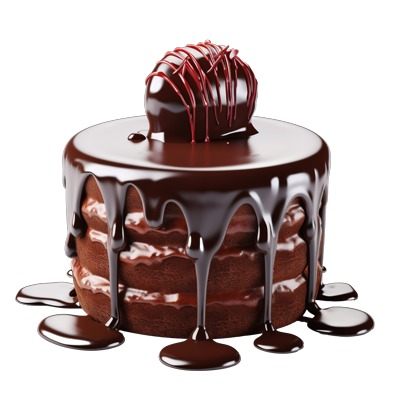
⅓ cup water (75 ml)
- ¾ cup sugar (150 g)
- ¾ cup glucose syrup / light corn syrup (150 g)
- ½ cup sweetened condensed milk (100 g)
- 5 oz dark chocolate (150 g)
- 3½ tsp powdered gelatin (6 g)
or 3–4 gelatin sheets (10 g)
👩🍳 Method
- Bloom gelatin in cold water.
- Heat water, sugar, and glucose syrup to 217°F (103°C).
- Remove from heat, stir in condensed milk.
- Add softened gelatin.
- Pour over chopped chocolate. Let sit 1 minute.
- Blend with an immersion blender (keep fully submerged to avoid bubbles).
- Strain through a fine sieve.
🌡️ Temperature Is Key
- Ideal Pouring Temperature: 90–93°F (32–34°C)
- Too warm → runs too thin
- Too cool → dull and uneven
🎂 How to Pour
- Cake must be perfectly smooth (mousse or buttercream finish).
- Freeze at 0°F / –18°C overnight.
- Place on rack and pour in one motion.
- Let drip, clean base, transfer to board.
- Thaw slowly in fridge.
✨ Tips for Perfect Shine
- Blend slowly and without lifting the blender.
- If bubbles appear, let the glaze rest for 10–15 minutes.
- For a colored version, use gel or powdered colorings.
- The glaze can be prepared 1–2 days in advance (reheat max. to 40 °C).
Quick Chocolate Glaze (With Shortening)
🧾 Ingredients 
- 7 oz chocolate (200 g)
- 3½ oz vegetable shortening (100 g)
👩🍳 Method
- Melt both ingredients in a double boiler — each separately.
- Then pour the shortening into the chocolate and combine.
Chocolate Glaze with Butter
🧾Ingredients 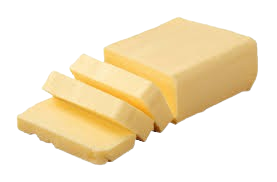
- ¾ cup powdered sugar (100 g)
- 3 tbsp water (45 ml)
- 3½ oz baking chocolate (100 g)
- 2 tsp butter (10 g)
👩🍳Method
- Boil the sugar with water to the thread stage.
- In another pot over a double boiler, melt the chocolate and pour the boiled sugar into it.
- Add the butter and stir the glaze until smooth.
- Immediately pour over the dessert.
TIP: How do we boil sugar with water to the thread stage?
Pour the sugar into a saucepan, add water, and heat while stirring constantly until the sugar completely dissolves. Once it begins to boil, stop stirring and cook over medium heat. After a few minutes, it thickens into a sugar syrup. To test the correct “thread stage,” take a small amount of syrup on a spoon and let it drip between your thumb and forefinger (careful, it is hot) — if a thin, continuous thread forms between your fingers, the syrup is ready.
Chocolate Glaze with Marzipan
🧾 Ingredients
- 100 g butter = 3.5 oz = 7 tbsp (US) = approx. ½ cup minus 1 tbsp (US) = 4 oz (UK)
- 100 g powdered sugar (icing sugar) = 3.5 oz = approx. ¾ cup (US) = approx. ¾ cup (UK)
- 4 bars of chocolate (approx. 400 g total)
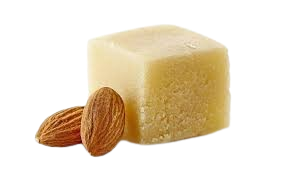
= 14 oz = approx. 4 × 100 g bars (use good-quality chocolate) - a piece of real marzipan (not fondant)
approx. 50–70 g = 1.8–2.5 oz = about a small handful-sized piece
👩🍳 Method
- Prepare a double boiler or use a saucepan with a double bottom.
- Place all ingredients (butter, powdered sugar, chocolate, and marzipan) into the bowl.
- Heat gently while stirring until everything melts and combines into a smooth mixture.
- Cook briefly until fully combined and glossy.
- Pour the finished glaze immediately over the prepared cake.
💡 Tip:
Because this glaze contains marzipan, it has a slightly thicker, smoother texture and a fuller, sweeter flavor than classic chocolate glaze. It sets nicely but remains pleasantly soft when slicing.
Chocolate Glaze with COFFEE
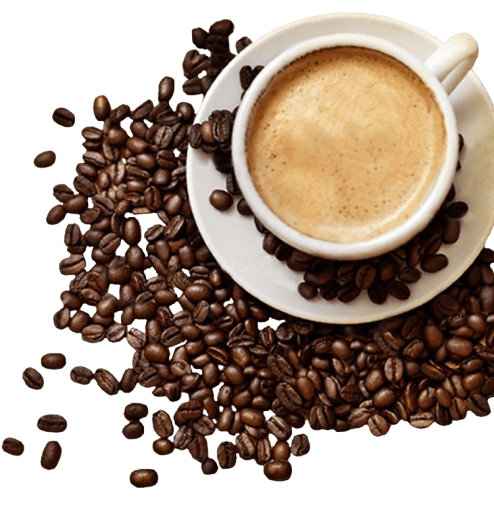
🧾 Ingredients
- 1 bar cooking chocolate - cca 100 g - 3.5 oz (cca ½ cup chopped chocolate
- 80 g powdered sugar - 2.8 oz - cca ⅔ cup powdered (confectioners’) sugar
- 1 tablespoon black coffee - ½ fl oz
👩🍳 Method
- Prepare a double boiler and melt the chocolate in it.
- Add the powdered sugar.
- Pour in 2 tablespoons of strong black coffee.
- Mix well and pour over the cake.
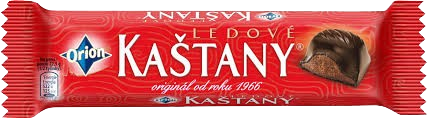
Chocolate Glaze from “Ledové kaštany” Chocolate
🧾 Ingredients
- 250 g vegetable shortening - 8.8 oz - cca 1 cup + 2 tablespoons
- 2 chocolate “Ledové kaštany”
👩🍳 Method
- Melt the “kaštany” in a double boiler.
- Heat the vegetable shortening and very slowly and carefully pour it into the melted “kaštany.”
- Stir and pour over the dessert.
Tip: This chocolate bar can be purchased in the Czech Republic or on this website: https://czechfood.de/produkt/orion-ledove-kastany-45g-eiskastanien-riegel-in-zartbitterschokolade/
FAQ – Frequently Asked Questions About Chocolate Glazes:
❓ What chocolate is best for glaze?
The best is high-quality chocolate with a higher cocoa butter content. For shiny, non-cracking glazes, dark chocolate with 50–70% cocoa is ideal. Cheap glazes and chocolates with fat substitutes are harder to work with and become dull.
❓ Why does my chocolate glaze crack?
Most often due to a lack of fat, incorrect ingredient ratio, or applying it to a cold cake. Adding cream or butter and applying the glaze to a room-temperature dessert helps.
❓ How do I achieve a truly shiny glaze?
The key is not to overheat the chocolate, not to whip the glaze, and to use quality ingredients. Shine is also increased by a small amount of butter, cream, or glucose syrup.
❓ Can I prepare the glaze in advance?
Yes. Most chocolate glazes can be prepared 1–2 days in advance and stored in the refrigerator. Before use, gently reheat in a double boiler and stir well.
❓ How can I fix a split glaze?
Try gradually adding a little warm cream or milk and gently stirring. Often, the glaze will come back together into a smooth consistency.
❓ Why is the glaze dull?
Glaze becomes dull when chocolate is overheated, stirred too quickly, or low-quality chocolate is used. Proper temperature during application is also important.
❓ Which glaze should I use for cakes and which for slices?
- Cakes: ganache or mirror glaze
- Slices and tray bakes: simpler cocoa or chocolate glazes
- Modern desserts: mirror glaze or tempered chocolate
❓ Can chocolate glaze be frozen?
Ganache and mirror glazes can be frozen short-term, but after thawing, they must be gently stirred and the consistency adjusted again. This is not suitable for simple glazes.
❓ Why is butter or oil added to some glazes?
Fat ensures shine, elasticity, and better slicing. It makes the glaze smoother and prevents cracking.
❓ How should I properly slice a cake with a chocolate glaze?
Use a sharp knife heated in hot water, and wipe the knife after each cut. The slices will be clean, and the glaze will not stick.


